When the sun goes down, Gümüşlük's wind drops. Walk up from the tables along the shore toward the slope and you first feel the warmth the ground held all day underfoot; then the resin of the pines, then a sound of tuning from somewhere ahead — a bow, a string, a pause. Step inside the old quarry and the sound changes: the cut rock walls soften it and give it back, as though the place itself were listening.
Stone was once taken from here. Now, between the same walls, music is played.
A Habit of Twenty-Three Years
The International Gümüşlük Classical Music Festival is held this year for the twenty-third time; it opens in mid-July and runs into early September. The backbone of the program is classical music, but jazz, ethnic and original work slip in between; some of it is not a recital but an open lesson — a masterclass — for younger musicians. The concerts are not confined to a single stage: the festival gathers them under three headings. Those "On Stone" are held in the ancient quarry, those "On Water" along the Gümüşlük shore, and those "On Sand" at the earthen house that serves as the festival's center. The closing is said to be given this year to the pianist Gülsin Onay; for the exact program and dates it is best to look to the festival's own announcements, since calendars of this kind can shift over the summer.
For Those Who Come by Sea
The side of the festival that faces the sailor is its location. Gümüşlük sits at the western tip of the Bodrum peninsula, a shallow, quiet cove sheltered by Rabbit Island — a place boats have long paused in. So getting to a concert asks for no hours of driving from inland; you anchor in the cove and reach the quarry by an evening tender or a short walk. When the concert ends, you return to the same quiet, the same boat. Being in a dark cove rather than a crowded car park after listening lengthens the evening in a different way. The old regulars know it: in Gümüşlük the point is not the show but standing in the right place at the right hour of the day.
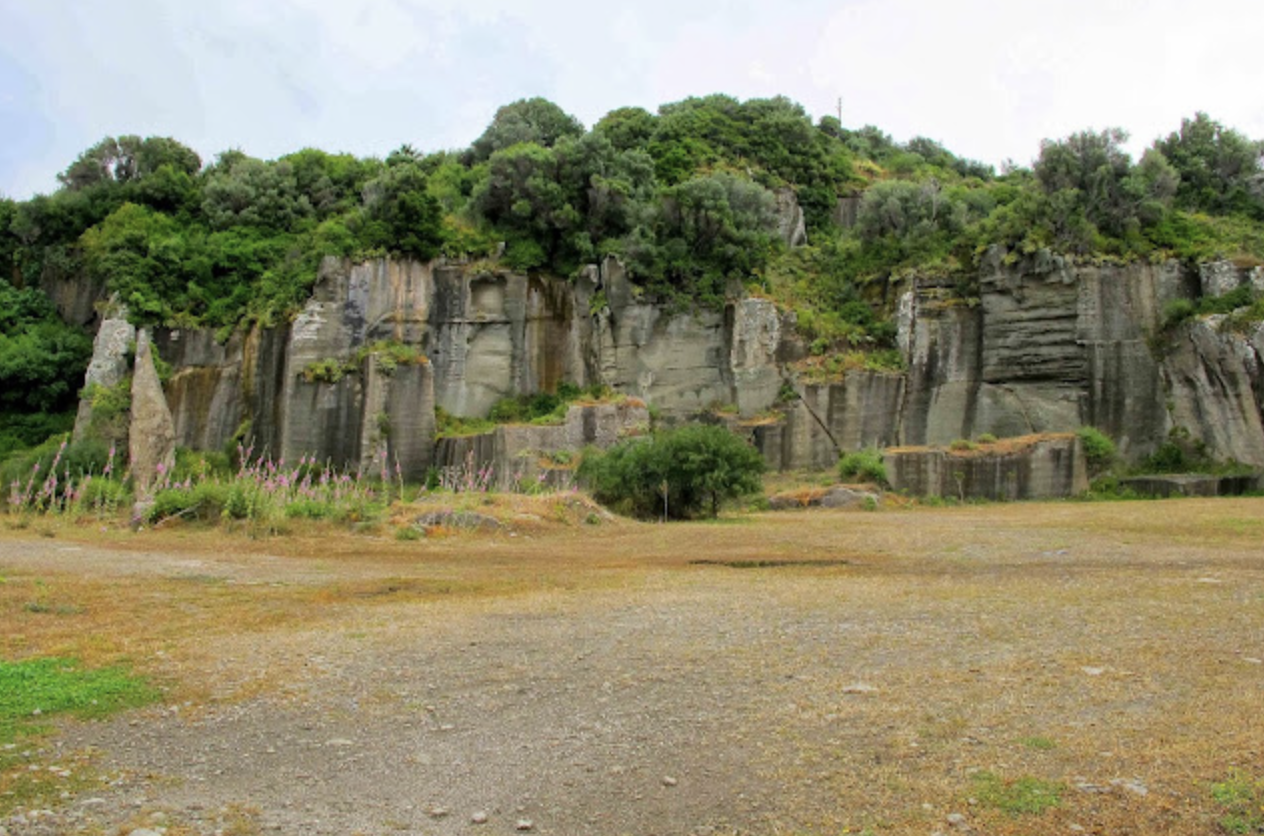
Then there is the acoustic of the place itself. This is no enclosed hall; open sky above you, the cut face of the rock around. The sound does not strike a ceiling and scatter; it meets the stone and softens; now and then a cicada cuts in, and no one minds. It is not a perfect recording studio — nor is it trying to be. The place where music touches a person most is often not the place where it is most flawless.
The concert ends, the applause dies, the crowd descends the slope. By the time you reach the shore the sea has long gone dark; the tender's lamp strikes the water, the boat waits where it was, and the music stays in the ear a while longer — with that faint delay the stone gave it.
DAY TOURS →